

Addressing Total Pain in Hospice and Palliative Care
Home / Master Class: Addressing Total Pain in Hospice and Palliative Care
About This Virtual Master Class Series
This three-part master class equips hospice and palliative care providers with a comprehensive, patient-centered framework for assessing and managing total pain—recognizing that suffering extends beyond physical symptoms to include psychological, social, and spiritual (existential) dimensions. Grounded in interdisciplinary care principles, this series emphasizes practical strategies to improve quality of life across the continuum of serious illness, from chronic disease management to end-of-life care.
Speakers: Lisa Meadows, Senior Manager, Survey Operations, ACHC and Ellen Fulp, Pharmacist, Parella Health
Dates: November 12, 19 and December 3, 2026
Designed for Your Busy Schedule
Each class includes a presentation and live Q&A session.
Attend live or access recordings at your convenience.
On-demand classes will be available at the conclusion of the live series.
-
Addressing Total Pain in Hospice and Palliative Care
$499
Participants will explore how unaddressed non-physical distress can intensify physical pain and complicate clinical outcomes. Through case-based discussion and applied tools, this course strengthens clinical decision-making, communication, and team-based approaches essential to both hospice and palliative care settings.
Meet the Speakers
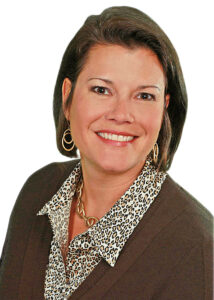
Lisa Meadows, MSW,
Senior Manager, Survey Operations
ACHC
Lisa Meadows brings over 30 years of comprehensive experience across the healthcare continuum, including acute care, home health, hospice, and palliative care. She currently serves as Senior Manager of Survey Operations at Accreditation Commission for Health Care (ACHC), a nationally recognized nonprofit accreditation organization.
In her role, Lisa leads efforts to provide in-depth clinical, accreditation, and industry education to ACHC customers and stakeholders. She also partners with healthcare providers to interpret ACHC Standards and Medicare Conditions of Participation, helping organizations achieve and maintain excellence in patient care and regulatory compliance.

Ellen Fulp,
Pharmacist
Parella Health
Ellen Fulp, a pharmacist with Parella Health, is dedicated to improving medication safety and quality of life for patients facing serious illness through collaboration with patients, families, and interdisciplinary teams. A graduate of the UNC Eshelman School of Pharmacy and the University of Colorado Denver’s pioneering master’s program in Palliative Care, she is Board Certified in Geriatric Pharmacy. Ellen, a Fellow of the American Academy of Hospice and Palliative Medicine, focuses her work on pain management in older adults, medication appropriateness, and aligning regulatory compliance with compassionate, high-quality hospice care.
Session Overview
Session 1 | November 12, 2026, 11:00 AM EST
Understanding and Managing Non-Physical Pain
Identify and address psychological, social, and spiritual contributors to suffering. Topics include validated screening tools, interdisciplinary interventions, communication strategies, and integrating whole-person care into routine hospice and palliative practice.
Session 2 | November 19, 2026, 11:00 AM EST
Optimizing Physical Pain Management
Review non-opioid analgesic strategies, including adjuvant and multimodal therapies. Participants will examine best practices for initiating, titrating, reassessing, and switching opioids safely and effectively, with attention to equianalgesic dosing, cross-tolerance, risk mitigation, and regulatory considerations relevant to both hospice and palliative care.
Session 3 | December 3, 2026, 11:00 AM EST
When Pain Goals Are Not Met
Explore advanced approaches to refractory pain and the realities of serious illness and end-of-life care. This session emphasizes ongoing reassessment of pain, including when and how to revisit opioid selection and dosing through switching or escalation. Additional focus is placed on supporting family and professional caregivers, navigating unmet pain goals, addressing moral distress, and fostering resilience within hospice and palliative teams.